Medical cannabis cannabis oil

Following incubation with 100 nM-10 μM CBD for min, a concentration-dependent decrease in oligodendrocyte viability was observed. The mechanism appeared to be through increases in intracellular Ca2+. If there was no extracellular Ca2+, CBD-induced cell death was reduced at 1 µM by 50.4%±18%. Furthermore, the disruption of mitochondrial membrane potential (MMP),
and ROS is cannabidiol addictive production were reduced. However, CBD toxicity at 1 µM was significantly impaired by caspase-inhibitors, poly(ADP-ribose) polymerase PARP-1 and calpain, suggesting caspase-dependent and -independent cell death pathway activation. The effects of taking CBD with other drugs − including over-the-counter or prescribed medications − can be unpredictable and dangerous.

  • More research is needed to develop specific guidelines around CBD dosing for different medical conditions.
  • CBD significantly reduced brain-derived neurotrophic factor (BDNF) expression and other signaling proteins in the hippocampus and frontal cortex with no effect in the striatum.
  • In 2018, the FDA approved Epidiolex, a medication used to treat Lennox-Gastaut and Dravet syndromes, two rare and severe forms of epilepsy.
  • The easiest way to lookup drug information, identify pills, check interactions and set up your own personal medication records.
  • Currently, the only CBD product approved by the Food and Drug Administration is a prescription oil called Epidiolex.
  • CBD may alleviate some of the distress experienced in chronic pain, although exactly how it does this isn’t clear.

The body creates endogenous cannabinoids to maintain our health. When these substances become deficient, the body requires help to back the endocannabinoid system. The aforementioned issue can result in health conditions such as migraines, irritable bowel syndrome, and fibromyalgia.

CBD: What You Need to Know

Any CBD products that do go on sale in Australian pharmacies will be low dose, only around 150 milligrams per day. In some people, and at high enough doses, CBD seems to help the brain use serotonin more effectively. Advocates say medicinal cannabis offers effective relief when other treatments are failing. But Australian guidelines say https://ecosoberhouse.com/ there’s limited evidence to support its use. “Usually when we’re trying to get a drug registered or design a clinical trial, we’re looking at one symptom, one disease, one chemical. Part of the issue is cannabinoid receptors are on cells all through our body, and they can do different things in different places at different doses.

  • Cannabidiol (CBD) is a cannabinoid that is mixed with a carrier oil to make CBD oil.
  • Anyone who is using CBD – whether as a prescription drug or in other forms — should first speak to a doctor.
  • Christian Read insists while medical medicinal cannabis can’t cure him of the pain he experiences, it grants him some relief.
  • In conjunction with other antiepileptic drugs, seizure frequency was reduced compared to placebo.

Some absorb faster (water-based), and others absorb more deeply (oil-based). When talking about hemp, we’re referring to the low-resin industrial crop commonly used to make clothing, textiles, food, and other materials. And in this context, we’re using the word cannabis to describe the high-resin plants that are grown specifically for medical consumption or enjoyment. Look for broad-spectrum CBD oils or CBD isolates—these two product types have THC stripped out, but maintain the presence of other cannabinoids and compounds found in the plant. The relationship between CBD and sleep isn’t well understood yet.

Cannabidiol side effects

CBD significantly reduced brain-derived neurotrophic factor (BDNF) expression and other signaling proteins in the hippocampus and frontal cortex with no effect in the striatum. It was concluded that CBD did not provide neuroprotection during early global hypoxia-ischemia [63]. Recently, Solowij et al. described a 10-week study of daily 200 mg CBD in cannabis dependence to improve psychological symptoms and cognition [41]. CBD improved subicular and CA1 subfields volumes in the brains of chronic cannabis users, suggesting a protective role of CBD against brain structural harms conferred by chronic cannabis use [40].

A 2017 study reported that only 31% of CBD products sold online were correctly labeled. Most had less CBD in them than was advertised, and 21% had significant amounts of THC. These products have very little evidence to support their use. More research is needed to clarify their safety and effectiveness.

The ABCs of CBD

Hemp and cannabis are two varieties of the Cannabis sativa plant. Hemp contains higher levels of CBD and little THC, which is why most CBD is made from hemp crops. It can interact with certain medications, may negatively affect your liver, and could impact male fertility, according to some animal studies. Topical CBD products, such as lotions, are only absorbed by the skin and have only a local effect. Transdermal products penetrate the skin and enter the bloodstream, thus delivering CBD to your deeper muscle tissues.

what is cannabidiol

Cannabidiol (CBD) is the second most abundant cannabinoid in the Cannabis plant. CBD and CBD oil have been used for centuries to treat a long list of ailments, including various sleep disorders. In another study, 79 college students were randomized to wear an inhalation patch while they slept for five nights. The patches contained either lavender essential oil or nothing (placebo).

In adults with chronic pain, patients treated with cannabis or cannabinoids are more likely to experience a clinically significant reduction in pain symptoms [24]. A recent review of specific cannabinoids and cannabinoid extracts on multiple pain types investigates both the preclinical and clinical data supporting cannabinoid pharmacotherapy for pain [46]. Some products that might claim to be medical cannabis, such as CBD oil or hemp oil, are available to buy legally as food supplements from health stores.

  • Hemp and hemp-derived products are legal under the Farm Bill, as long as their THC content is less than 0.3%.
  • CBD and CBD oil have been used for centuries to treat a long list of ailments, including various sleep disorders.

CBD doesn’t contain tetrahydrocannabinol (THC), the psychoactive ingredient found in marijuana that produces a high. The usual CBD formulation is oil, but CBD is also sold as an extract, a vaporized liquid and an oil-based capsule. Food, drinks and beauty products are among the many CBD-infused products available online. A prescription cannabidiol (CBD) oil is considered an effective anti-seizure medication.
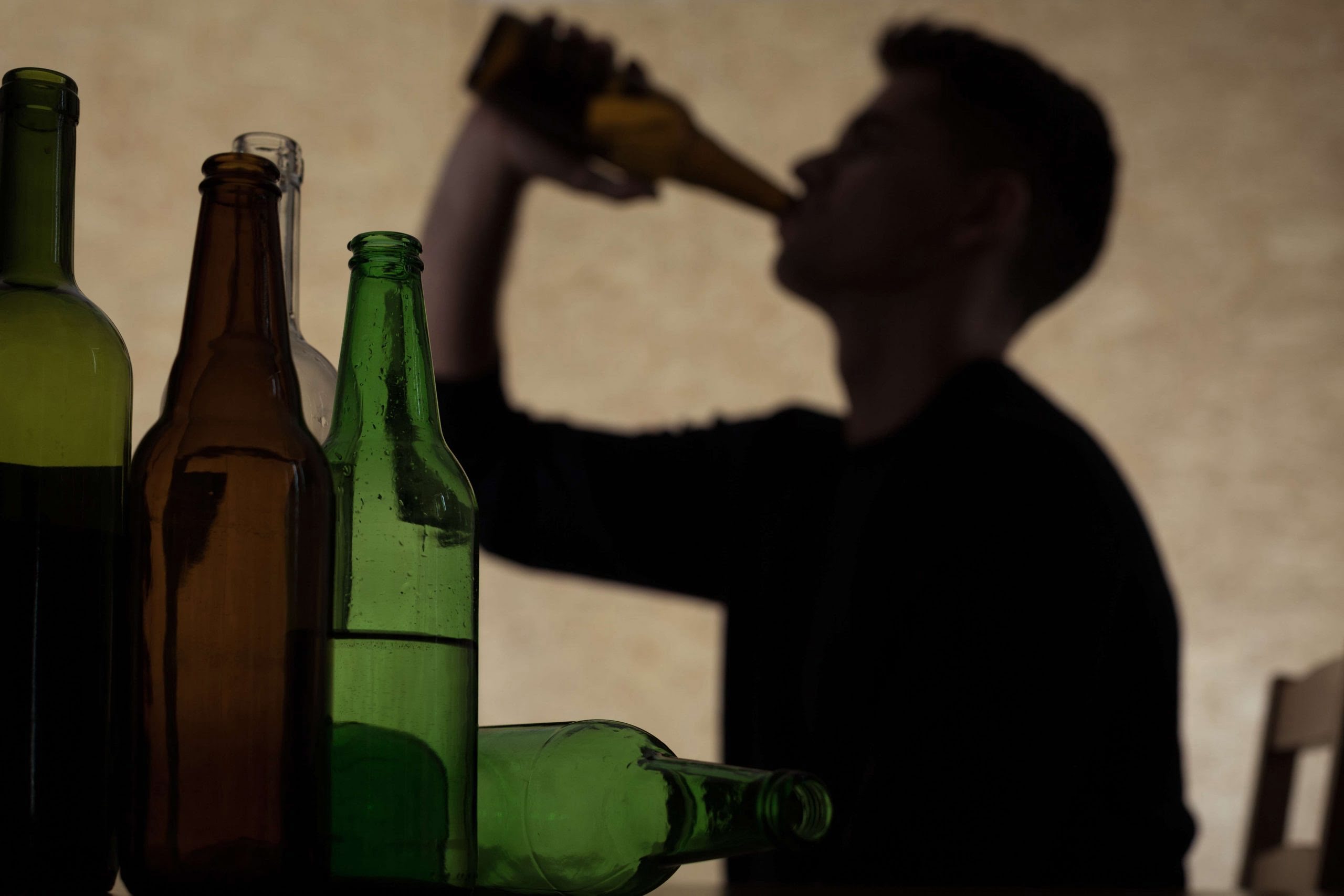
1 Groups and Substance Abuse Treatment Substance Abuse Treatment: Group Therapy NCBI Bookshelf

Regardless of the drug you experienced problems with, it’s important to stay away from prescription drugs with the potential for abuse or use only when necessary and with extreme caution. Drugs with a high abuse potential include painkillers, sleeping pills, and anti-anxiety medication. Medication may be used to manage withdrawal https://trading-market.org/building-alcohol-tolerance/ symptoms, prevent relapse, or treat any co-occurring mental health condition such as depression or anxiety. Keep details about employees seeking treatment and accommodation for addiction recovery strictly confidential. Only share information on a need-to-know basis with HR and managers directly involved in providing support.

The self-help support group message is that addiction is an ongoing disorder with a danger of relapse. Self-help support groups can decrease the sense of shame and isolation that can lead to relapse. In an opioid overdose, a medicine called naloxone can be given by emergency responders, or in https://g-markets.net/sober-living/alcohol-shakes-symptoms-causes-treatments-and/ some states, by anyone who witnesses an overdose. The goal of detoxification, also called “detox” or withdrawal therapy, is to enable you to stop taking the addicting drug as quickly and safely as possible. For some people, it may be safe to undergo withdrawal therapy on an outpatient basis.

Health Topics

As part of your post-treatment plan, list the people who you can rely on for healthy support and encouragement. The confidential and anonymous resource for persons seeking treatment for mental and substance use disorders in the United States and its territories. Recovery stories are important because people need choices that work for them, he urges. Hundreds of studies of addictive behavior change reveal that a common process underlies all progress toward recovery.

In leaving addiction behind, most people have to restructure their everyday life, from what they think about and who they spend time with and where, to how they use their time, to developing and pursuing new goals. The shifts in thinking and behavior are critical because they lay the groundwork for changes in brain circuity that gradually help restore self-control and restore the capacity to respond to normal rewards. Cravings are the intense desire for alcohol or drugs given formidable force by neural circuitry honed over time into single-minded pursuit of the outsize neurochemical reward such substances deliver. Cravings vary in duration and intensity, and they are typically triggered by people, places, paraphernalia, and passing thoughts in some way related to previous drug use. But cravings don’t last forever, and they tend to lessen in intensity over time.

Drugs, Brains, and Behavior: The Science of Addiction

Patterns of symptoms resulting from substance use can help a doctor diagnose a person with SUD and connect them to appropriate treatment. For certain drug types, some symptoms are less prominent, and in some cases, not all symptoms apply. For example, withdrawal symptoms are not specified for inhalant use.

Western Washington cities, county, and three tribes awarded nearly … – Department of Justice

Western Washington cities, county, and three tribes awarded nearly ….

Posted: Tue, 24 Oct 2023 17:42:40 GMT [source]

If you recently had surgery or an injury, your doctor will be careful with the pain medication they give you, because some of those drugs can make you more likely to relapse. Ask your doctor about nonmedical ways to manage your pain, like massage or acupuncture. You may want to start an exercise routine — exercise releases brain chemicals called endorphins, which can make you feel good. Or you might rather spend time volunteering for a good cause, like an animal shelter or children’s hospital.

Build a meaningful drug-free life

Confidential help for employees and their families to resolve substance misuse and drug testing issues. Screen4Success provides an easy way for parents and caregivers to identify areas where their children may benefit from additional support. 24/7, 365-day-a-year crisis counseling and support to people experiencing emotional distress related to natural or human-caused disasters.

  • This TIP does not discuss multifamily and multicouple groups, which are discussed in TIP 39, Substance Abuse Treatment and Family Therapy (Center for Substance Abuse Treatment 2004).
  • Empowerment is another necessary mechanism of change; in psychological parlance it’s known as self-efficacy.
  • For this reason, most effective treatment programs make attendance at AA or another 12-Step program a mandatory part of the treatment process.
  • It’s important to be prepared and practice self-compassion in the event that you use again.

It can be a good option for people who have completed treatment but need additional support while adapting to life after rehab. These short-term programs usually provide supervision and peer support. People living in recovery housing may be encouraged or required to attend a 12-step How to Stop Drinking Out of Boredom: Tips and Advice for a Sober Life in 2023 Lantana Recovery: Addiction Treatment Rehab Center program and connect with community groups that offer employment, health care, legal support, and social services. Another one of the most important ways to support recovery is to understand that multiple relapses over a number of years are typically part of the process.

There are no lab tests that define recovery and no universally agreed-on definition of recovery. For many experts, the key components of addictive disorder are compulsive drug use that continues despite detrimental consequences, and the development of cravings with the inability to control use. Addiction develops over time, in response to repeated substance use, as the action of drugs changes the way the brain responds to rewards and disables the ability to control desire for the drug. SAMHSA is committed to addressing these health disparities by providing culturally and linguistically appropriate mental health, prevention, harm reduction, treatment, and recovery support programs. Recovery support services help people enter into and navigate systems of care, remove barriers to recovery, stay engaged in the recovery process, and live full lives in communities of their choice.

This video series is a set of conversations between parents and providers discussing varying topics related to difficult situations parents find themselves in. Differences Between 12-Step Self-Help Groups and Interpersonal Process Groups. Support groups, which comprise a forum where members can debunk each other’s excuses and support constructive change. Skills development groups, which hone the skills necessary to break free of addictions. Different quick stress relief strategies work better for some people than others.

Serotonins Role in Alcohols Effects on the Brain PMC

The study further found that men exhibit a greater release of dopamine when they drink than women. As a result, people with an alcohol addiction may consume even more alcohol in an unconscious effort to boost their dopamine levels and get that spark back. While some studies suggest that low alcohol consumption may have a protective effect on Parkinson’s disease, others suggest that it depends on the type of alcohol http://ru-musicxxl.ru/music/23948/dance-hits-may-2009.html being consumed. There’s also evidence that heavy alcohol consumption may increase the risk of developing Parkinson’s disease or worsen its symptoms. An analysis of 11 studies found that alcohol consumption was linked to a slightly reduced risk for PD. A large European study from 2020 found that men with moderate lifetime alcohol consumption had a higher risk of developing PD compared to light drinkers.

Drinking profoundly alters mood, arousal, behavior, and neuropsychological functioning. Classification of drugs can be explained by their chemical targets within the brain. Depressants target a chemical called GABA, the primary inhibitory neurotransmitter within the brain.

What do healthcare professionals who work with adolescents need to know about alcohol?

Dopaminergic neurons reach not only the NAc, but also other areas of the extended amygdala as well as parts of the septo-hippocampal system. Consequently, dopamine acts at multiple sites to control the integration of biologically relevant information that determines motivated responding. Alcohol’s effects on the body are so powerful that people with an alcohol use disorder (AUD) can experience https://www.louboutinofficial.com/2007/12/howe-sound-father-john-winter-ale-and.html seizures, vomiting, and even death when trying to quit cold turkey. Research is shedding more light on the role dopamine plays in alcohol addiction. Dopamine plays many important roles in the body, affecting moods, memory and sensations of pleasure and pain. It’s the chemical that drives us to seek food, sex and exercise and other activities that are crucial to our well-being and survival.

5Aminomethyl propionic acid, or AMPA, is a chemical that specifically activates this glutamate-receptor subtype. 4N-methyl-d-aspartate, or NMDA, is a chemical that specifically activates this glutamate-receptor subtype. 3Glutamate is the major excitatory neurotransmitter; that is, glutamate stimulates the signal-receiving cell.

Is Alcohol a Risk Factor for Parkinson’s Disease?

The association between lifestyle modification and neurodegeneration in AUD is outlined in Table 2. Some addictive substances affect dopamine directly, whereas alcohol and other drugs have an indirect effect. Alcohol is a small molecule, so it interacts with many neurotransmitters in the brain. Large molecules, like opiates or amphetamines, http://mariakikot.ru/interesnoe/1381-depressiya-u-detey-chto-delat.html only stimulate a specific neurotransmitter. The brain mediates our motivation to repeat behaviors that lead to pleasurable, rewarding states or reduce uncomfortable, distressing physical or emotional states. In this context, drinking alcohol can be motivated by its ability to provide both relief from aversive states and reward.

does alcohol affect dopamine